



Controlling costs is one of the most critical factors for successful manufacturing. If left unchecked, manufacturing costs can quickly escalate, undermining profitability and competitiveness.
Fortunately, there are a variety of technological, strategic, and operational approaches available to reduce manufacturing costs. Whether you’re producing your own goods or serving clients as an outsourced manufacturer, the cost savings achieved can be reinvested for growth.
This guide outlines the most effective ways to lower production expenses and improve factory efficiency.
Design with manufacturing in mind
If your company oversees both product design and manufacturing, this is the first place to optimise for cost efficiency. Smart product design can significantly cut costs in the following ways:
Reduce part counts
Designing products with fewer components simplifies assembly, reduces production time, and cuts labour and materials costs. Where possible, use standardised, off-the-shelf parts.
Choose cost-efficient materials
Lower your raw material costs by selecting materials that are easy to machine and source. Balance cost with quality and durability to avoid overengineering.
Design for usability, not excess
Avoid adding features that do not deliver meaningful value to the end user. Focus on functionality over overperformance to avoid unnecessary complexity and cost.
Use automation to lower production costs
Automation plays a key role in reducing labour costs, increasing productivity, and eliminating inefficiencies.
Benefits of automation:
-
Streamlines repetitive tasks
-
Reduces human error and downtime
-
Increases consistency and speed
-
Enhances quality control
-
Supports predictive maintenance
Real-time data collection
Collecting real-time data on equipment, processes, and workforce performance offers invaluable insights. Tools like OEE (Overall Equipment Effectiveness) software help businesses measure and improve productivity while lowering costs.
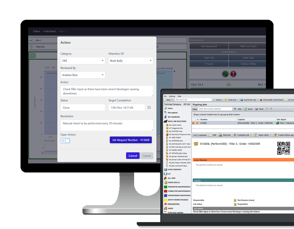
Maintmaster OEE, for instance, can transform your operations into a smart factory, delivering cost savings through optimised workflows and enhanced decision-making.
Boost productivity to cut costs
Efficiency and productivity directly influence your manufacturing cost structure. In addition to automation and real-time data, there are several other ways to improve output:
-
Audit your workflow to remove bottlenecks
-
Upskill your workforce to boost competence and morale
-
Equip managers with mobile tech to stay agile on the factory floor
-
Invest in continuous training to support long-term productivity gains
Happy, well-trained staff contribute more to output, make fewer errors, and are more engaged in process improvements.
Reduce labour costs strategically
Labour is often one of the highest cost centres. While reducing headcount may not be ideal, smarter scheduling and planning can minimise unnecessary costs.
-
Use scheduling software to match staffing levels with actual needs
-
Avoid overstaffing shifts, especially during lower production periods
-
Cross-train employees for operational flexibility and reduced overtime
Apply lean manufacturing principles
Lean manufacturing is all about maximising value while minimising waste. Adopting lean practices helps reduce costs by:
-
Increasing efficiency
-
Reducing inventory and storage needs
-
Eliminating non-value-adding activities
Start by identifying the Seven Wastes of Lean (overproduction, waiting, transport, overprocessing, inventory, motion, and defects) and develop strategies to mitigate them.
Standardise products and components
Manufacturers can reduce costs by standardising components and products where possible.
-
Build-to-order standard products remove the need for inventory forecasting and storage
-
Standard parts reduce procurement complexity, cut materials costs, and save floor space
-
Standardised tools and procedures ensure consistency and reduce time waste
Simplify supply chain management
A streamlined supply chain can significantly reduce costs across procurement, production, and logistics.
-
Foster strong supplier relationships to secure better terms and collaborate on cost-effective designs
-
Standardise your inputs to reduce sourcing complexity
-
Work with suppliers to identify faster, cheaper, and more reliable solutions
Lower overhead and energy costs
Don’t overlook overheads when aiming to reduce manufacturing costs. Here are key areas to assess:
Maintenance
Invest in preventive maintenance rather than reactive repairs. Use sensors and automated alerts to optimise service intervals and minimise downtime.
MaintMaster OEE can integrate with CMMS platforms, helping to generate work orders and provide first-line intervention tips—getting machines back online faster without always needing technician input.
Energy use
Reduce utility bills by:
-
Adjusting heating and cooling to optimal levels
-
Using natural light and installing low-energy lighting
-
Turning off unused equipment and lights
-
Maintaining clean windows and lighting fixtures for maximum efficiency
Office & warehouse savings
Revisit spending on admin, office supplies, storage, and warehousing. Even small efficiencies here can yield significant long-term savings.
Reducing manufacturing costs is achievable through a blend of smart design, lean principles, strategic automation, and real-time insights. With the right technologies and a proactive cost-reduction mindset, manufacturers can increase margins, remain competitive, and futureproof their operations.