



Sustainable manufacturing refers to environmentally responsible production practices designed to reduce the negative impact of manufacturing processes on the planet.
Today, more businesses are recognising the urgency of sustainability and making strategic changes to their operations. This guide explores sustainable manufacturing methods, their benefits, and the reasons why companies should embrace eco-friendly practices.
What is sustainable manufacturing?
Sustainable manufacturing describes the use of processes and practices aimed at minimising environmental harm. By rethinking how products are made, companies can reduce carbon emissions, cut energy usage, limit waste, and support recycling and sustainable resource use.
This can involve:
-
Switching to sustainable raw materials
-
Offsetting carbon emissions
-
Revamping existing processes to increase efficiency
-
Implementing recycling and conservation initiatives
Improving efficiency often leads to significant reductions in both waste and energy consumption—benefiting the environment and the bottom line.
Why should businesses adopt sustainable manufacturing?
Manufacturing accounts for approximately 20% of global carbon dioxide emissions, making it one of the largest industrial contributors to climate change. Transitioning to sustainable manufacturing offers a range of benefits:
1. Lower energy consumption
Reducing energy use not only decreases carbon output but also reduces operating costs. In an era of rising energy prices, efficiency gains can lead to substantial financial savings.
2. Foster a greener mindset
Sustainable practices create a culture of environmental responsibility within an organisation. This mindset can influence suppliers, customers, and stakeholders—fostering a ripple effect across the supply chain.
3. Meet consumer expectations
Consumers are increasingly choosing brands that prioritise sustainability. In fact, 81% of customers report a preference for environmentally conscious companies. Sustainable manufacturing can help build brand loyalty and improve market positioning.
How can the manufacturing sector go sustainable?
There are multiple strategies manufacturers can adopt to reduce their environmental footprint:
-
Utilising renewable energy sources
-
Enhancing energy efficiency
-
Minimising waste
-
Reducing air and water pollution
-
Using sustainable, ethically sourced raw materials
-
Recycling and reusing wherever possible
-
Collaborating with sustainable supply chain partners
-
Investing in R&D to support climate initiatives
OEE and sustainable manufacturing
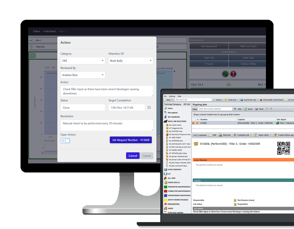
Overall Equipment Effectiveness (OEE) plays a significant role in sustainable manufacturing. OEE evaluates equipment utilisation by measuring availability, performance, and quality. OEE software, such as Maintmaster OEE, enables manufacturers to identify inefficiencies and take corrective action.
Manufacturing lines that are not operating at full efficiency often waste energy due to downtime, prolonged changeovers, and poor resource allocation. OEE tools provide real-time insights that help companies reduce such losses—boosting both productivity and sustainability.
By improving equipment efficiency and management practices, manufacturers can significantly cut carbon emissions while increasing uptime and cost-effectiveness.
Benefits of sustainable manufacturing
Implementing eco-conscious production processes offers wide-ranging advantages:
1. Reduced energy costs
Efficient operations lower electricity and fuel use, which in turn reduces overall production costs.
2. Motivated workforce
Sustainable initiatives promote a culture of collaboration and innovation. Employees are often more engaged when working for companies committed to environmental responsibility.
3. Improved public image
Consumers and the media are paying close attention to how companies operate. Sustainable manufacturing enhances brand reputation, distinguishing your company in a crowded marketplace.
4. Greater customer attraction and retention
With growing awareness of climate change, many customers actively seek out brands aligned with their values. In a recent survey, 75% of US consumers expressed concern over the environmental impact of their purchases, with most willing to pay a premium for eco-friendly products.
Sustainable manufacturing is no longer optional—it’s a strategic imperative. It helps reduce environmental impact, control costs, strengthen brand perception, and align with evolving consumer expectations.
By focusing on energy efficiency, reducing waste, and using smart technologies like OEE software, manufacturers can lead the way in creating a sustainable future. Whether it’s reviewing raw materials, reducing emissions, or fostering internal innovation, every action counts.