


0
%
OEE improvement < 6months

What we do
This is Maintmaster
Industries
Contact us
OEE software


What we do
This is Maintmaster
Industries
Contact us
OEE software
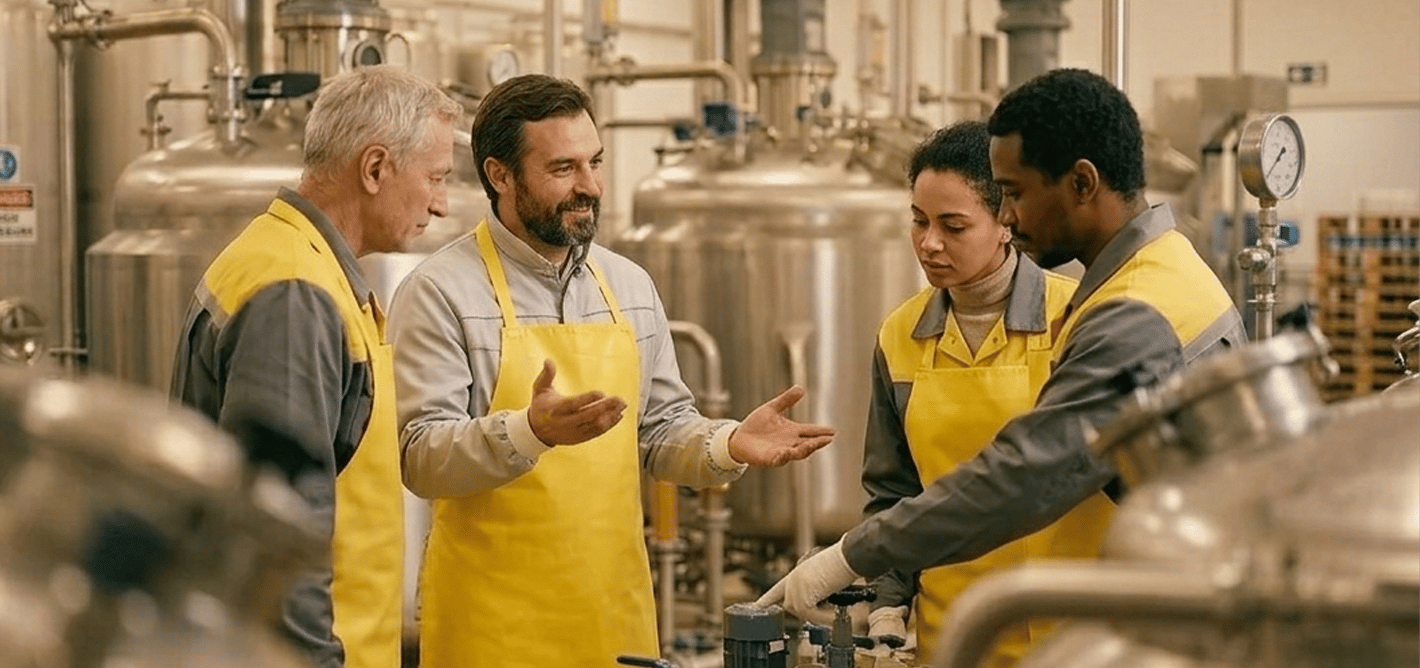
See which phases overrun most often, where waiting time builds between steps, and which delays are reducing available production hours in batch processes.







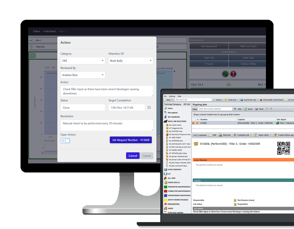
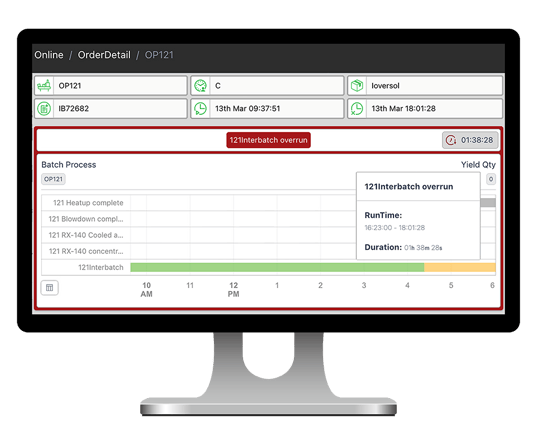
Measure actual phase times against expected phase times to show where overruns occur and why.
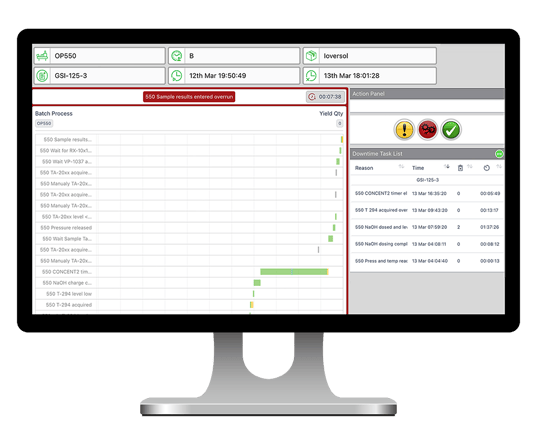
See which phase is active, whether it is ahead or behind, and which delays extend completion.
Expose delays, waiting stages, and in-batch downtime that reduce capacity and slow downstream operations.
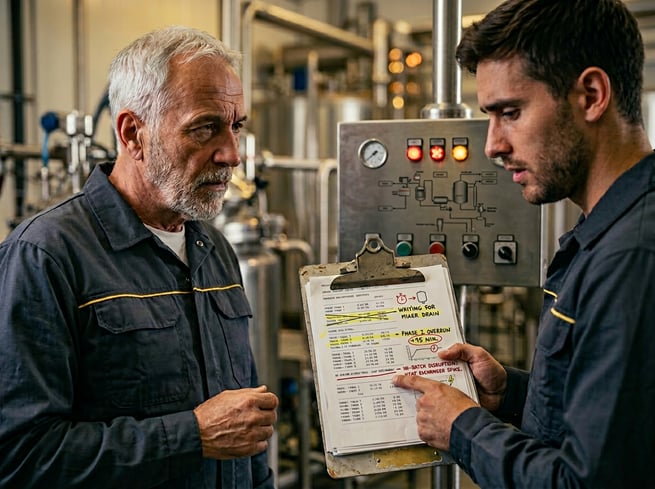
Before
Batches run long, but the lost time is hard to isolate.
Teams know output is slipping, yet phase overruns, waiting stages and in-batch delays are not easy to see clearly enough to act on.
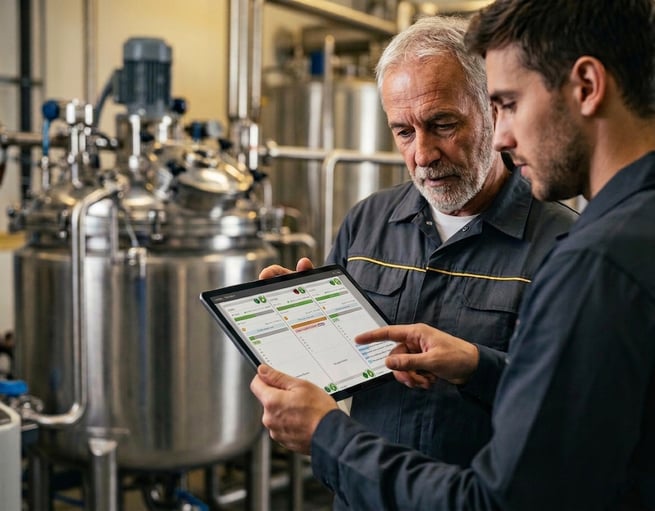
Action
Maintmaster OEE measures actual phase times against expected phase times, captures downtime during the batch, and helps teams review recurring overruns and repeated losses across runs.
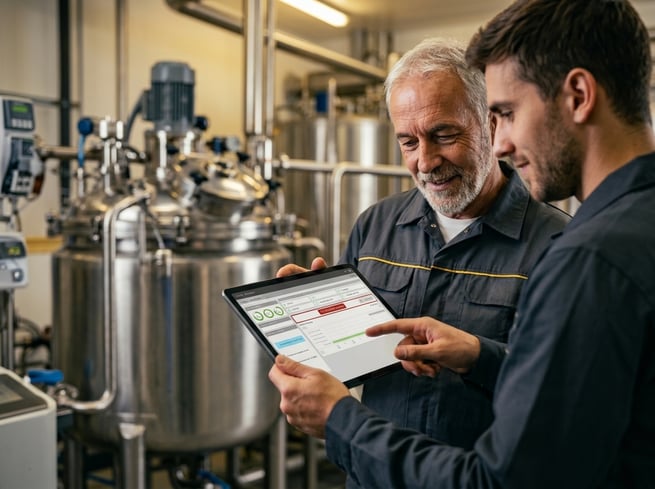
Result
Manufacturers gain a clearer view of where batch time is being lost, which phases are delaying completion, and where to focus effort to protect output and recover hidden capacity.
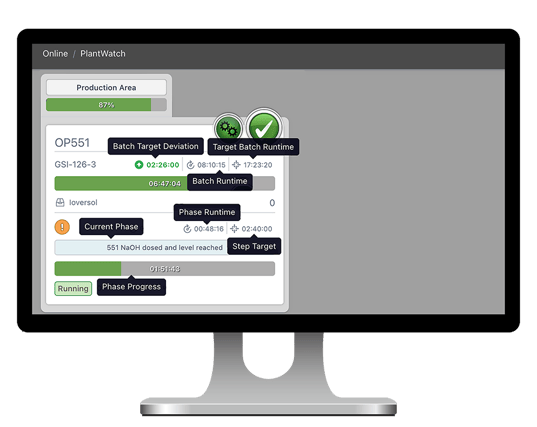
Follow the current phase against expected timing so teams can see whether the process is moving as planned or starting to slip.
View elapsed time and expected completion in context, so attention goes to the phase that needs it most.
Record downtime during the batch, then review remaining overruns alongside it.
Reassign events, add notes and log actions in context so teams have a clearer record of what happened and what needs follow-up.
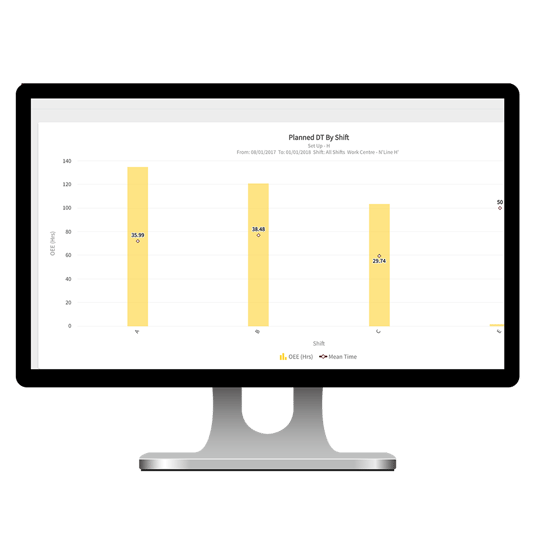
Compare batches over time to see which delays keep recurring, which phases are most variable and where time loss is building up.
Use that evidence to review whether current phase timings still reflect the best achievable standard.
Understand when delays in the batch process are starting to affect readiness for the next stage.
This helps teams see the operational impact of upstream variation more clearly, not just the batch result in isolation.
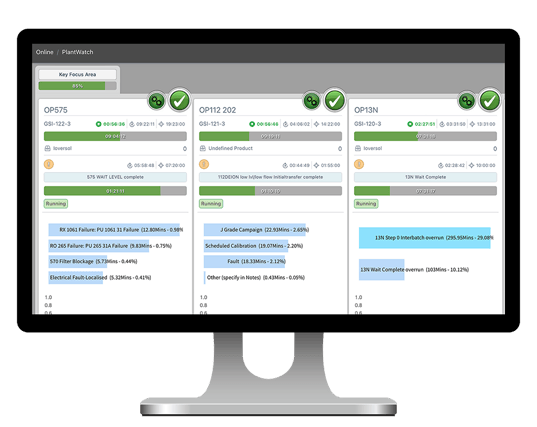
Bring phase timing, downtime, overruns and trend data into one shared view so operations, engineering, planning and leadership can work from the same understanding of performance.
OEE improvement < 6months
Reduced phase-time variance
Recovered lost cycle time

"Maintmaster OEE confirmed massive variation in batch changeovers. When we standardised them, OEE lifted straight away."
- Rob George, Asset Care Manager, CooperVision UK

"We’ve seen a 25% reduction in allergen changeover time — just by having the data from the OEE system show us where time was being lost."
- Eric Steer, VP of Operations, Chairmans Foods


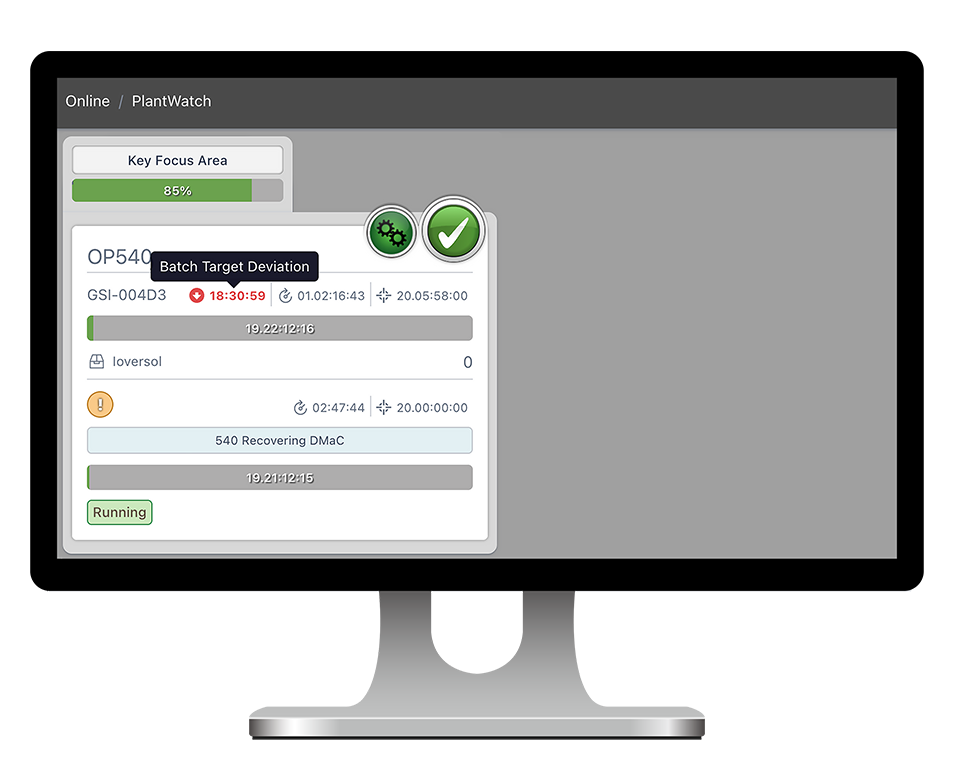
Optimise your batch processes with Maintmaster OEE, the performance platform built for real-world production. See which phases are over-running, where waiting time is building and which delays are reducing available production hours. Start where output is under most pressure, then scale when your team is ready.

Spot downtime as it happens, uncover root causes fast, and prevent disruptions before they hit your targets.
Learn more
Make every changeover repeatable, efficient, and a driver of continuous improvement.

Spot downtime as it happens, uncover root causes fast, and prevent disruptions before they hit your targets.

Create one version of the truth across all sites, reveal hidden losses, and drive measurable improvement.
Clear, real-time insights that keep every shift aligned and prevent small losses from becoming big problems.
Learn more
One source of truth for every team, turning data debates into measurable results on every shift.
Learn more
Turn production data into clear, actionable insights. Helping teams spot losses, fix root causes, and boost performance every shift.
Learn moreIn a discrete line, teams can often see output building minute by minute. In batch manufacturing, product may only appear at the end of the batch. That means the live focus is different. Instead of watching output rate in the same way, teams need to see which phase is active, how long it should take, how long it has taken so far, and what that means for expected batch completion.
It measures actual phase times against expected phase times. That allows teams to see where overruns occur inside the batch, where downtime happened during the process, and which delays keep repeating across runs.
Yes. If downtime occurs during a phase, it can be captured as part of the batch. If part of the delay is known automatically, that portion can be allocated accordingly. Any remaining overrun can then be reviewed and assigned by the team.
No. In batch manufacturing, the live value is often in seeing what phase is currently running, whether it is ahead or behind, and what that means for the expected finish time of the batch. That helps teams spot drift while the batch is still in progress.
It can help uncover repeated phase overruns, waiting stages, downtime inside the batch, delays linked to equipment problems, and recurring losses such as waiting on external checks or other process dependencies. It is particularly useful when teams know batches are taking too long but cannot clearly isolate where the time is being lost.