













Stop catching up.
Start getting ahead.
Plan your maintenance. Track every job. Respond faster when it matters.
Teams like yours are already looking closer at their production
The work is clear. The execution isn’t.
Most teams don’t struggle with knowing what needs to be done. Machines need servicing, inspections need to happen, and breakdowns need to be fixed. That part is clear.
What isn’t clear is everything around it. What needs to be done today, who is responsible for each job, and whether the work has actually been completed.
Priorities shift during the day. Ownership is assumed, not confirmed. Work gets done, but not always in the right order or at the right time.
So work gets done, but not in a way you can rely on.
Where time gets lost every day
You rarely see it in one big issue. It shows up in small moments.
A technician looks for machine documentation and loses time. A job is delayed because ownership was never clear. A spare part is missing just as the work is about to start.
Nothing here feels critical. But it happens again and again.
Jobs start later than planned. Work gets interrupted or rescheduled. The same issues repeat across shifts.
Over time, this becomes the real workload. Not maintenance itself, but everything around it.
The problem with most CMMS setups
Most companies already have a system, or at least something that was meant to be one: spreadsheets, ERP modules, legacy tools. At some point, they worked. But as operations grow, they start to break down.
Checklists become harder to follow, so they get skipped. Work orders are created, but ownership isn’t always clear. Spare parts are tracked, but not consistently, and over time the data becomes harder to trust. So people adapt. They use chats, whiteboards, and memory to get things done.
And slowly, the real system moves outside the system.
What control actually looks like
Control is knowing what needs to be done, when, and who does it.
Maintmaster CMMS gives you a clear structure for your maintenance work, so everything is visible, assigned, and tracked in one place.
-
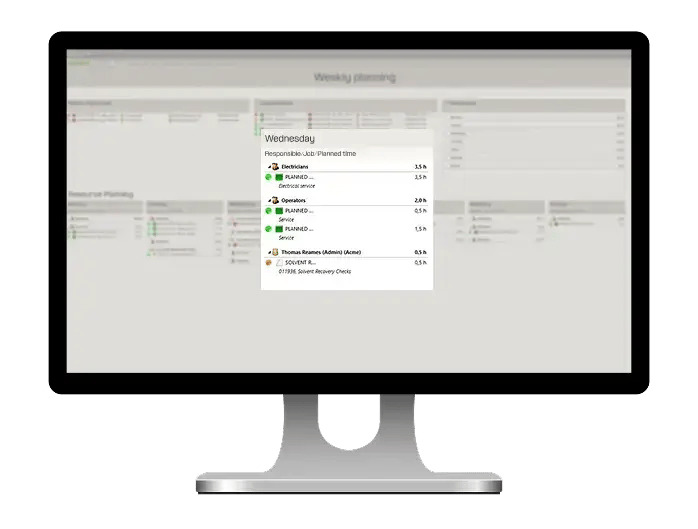
You know what needs to be done today
-
You know who is responsible for each job
-
You know what is still open and what is completed
Nothing depends on memory and nothing gets lost between shifts.
Real results from real manufacturers
reduction in maintenance costs
We built a clear structure for how work gets done. The result? Lower costs, less emergency work, and a team that knows what to do.

increase in preventive maintenance per year
We moved from unclear planning to structured maintenance. The result? More preventive work and faster response to issues.

What changes on the shop floor
When maintenance becomes structured, behaviour changes: teams stop relying on conversations and workarounds and start working from a shared view of what needs to be done.
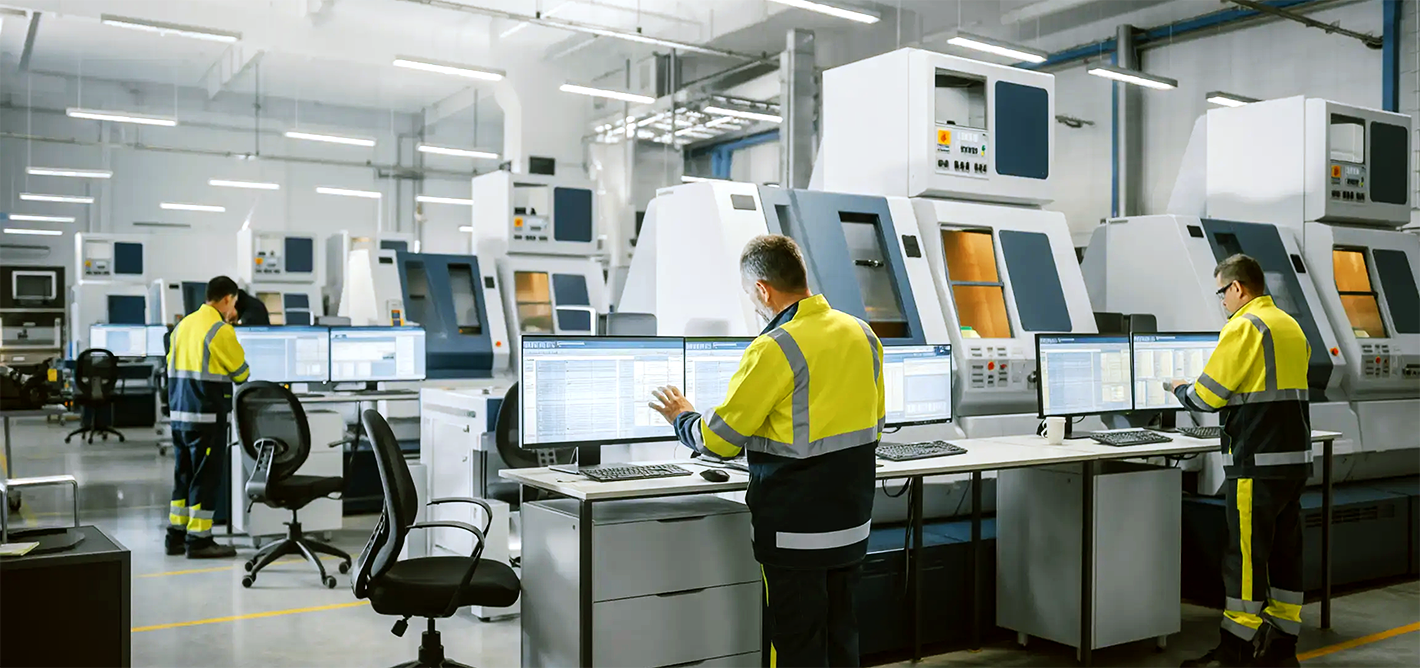
Technicians know what to focus on before the shift starts. Jobs move forward without delays caused by unclear ownership. Documentation is available when it’s needed, and spare parts are ready before work begins.
Work starts to flow instead of being chased.
What that means day to day
You see it in small differences.
There are fewer interruptions, fewer repeated questions, and fewer jobs slipping through the cracks.
Over time, those changes add up. Less time is lost between tasks, delays become less frequent, and work is carried out more consistently across shifts.
Instead of reacting to problems, teams start working ahead of them.

What this means for your operation
You don’t implement a CMMS to add another system. You implement it to remove friction from the work you already do.
Time is no longer lost searching for information or clarifying ownership. Jobs are planned with the right parts in place, and decisions are based on data you can trust.
Taken individually, these are small improvements. But together, they change how your maintenance operation runs.
Built for real maintenance work
Maintmaster CMMS is designed for how maintenance teams actually work.
It is simple enough to use on the shop floor from day one, but flexible enough to adapt to your processes without relying on developers. It follows real maintenance standards and is supported by people who understand the day-to-day reality of the work.
The system adapts to you (not the other way around).
Expert insights
Create Pareto Charts from maintenance documentation
Capture and share troubleshooting knowledge in maintenance
You don’t need to change everything at once
(but you need to start somewhere)