






You might be losing more output than you think
Small losses build up across every shift. Microstops, slowdowns, waiting time. Most teams never see them.
Teams like yours are already looking closer at their production
Performance losses
The line is running. Just not at full speed.
-
Small slowdowns that never get flagged, but reduce output over time
-
Microstops that last seconds, so no one logs them
-
Running below ideal speed without anyone noticing during the shift
-
Minor interruptions that seem harmless, but repeat all day
Individually, these are easy to ignore. Across a full shift, they add up to a meaningful loss in output.
Availability losses
The machine could run. But something else gets in the way.
-
Waiting for maintenance while the line is ready
-
Waiting for parts, materials, or approvals
-
Changeovers taking longer than expected
-
Delays between teams that stop the process from starting
These delays are often seen as part of the job. Because of that, they are rarely challenged.
The problem with manual tracking
Most companies already measure OEE, but they cannot act on it as the data comes too late, is often incomplete, and is hard to trust.
- Operators log major stops, but small losses are missed
- Speed losses are rarely captured in a consistent way
- Data is written down, then transferred later
By the time you see the numbers, the shift is already over and there is nothing left to fix. What you end up with is a report of what happened, not a way to change it.
That is why many teams feel in control, while still missing their targets.
See what is happening, while it matters
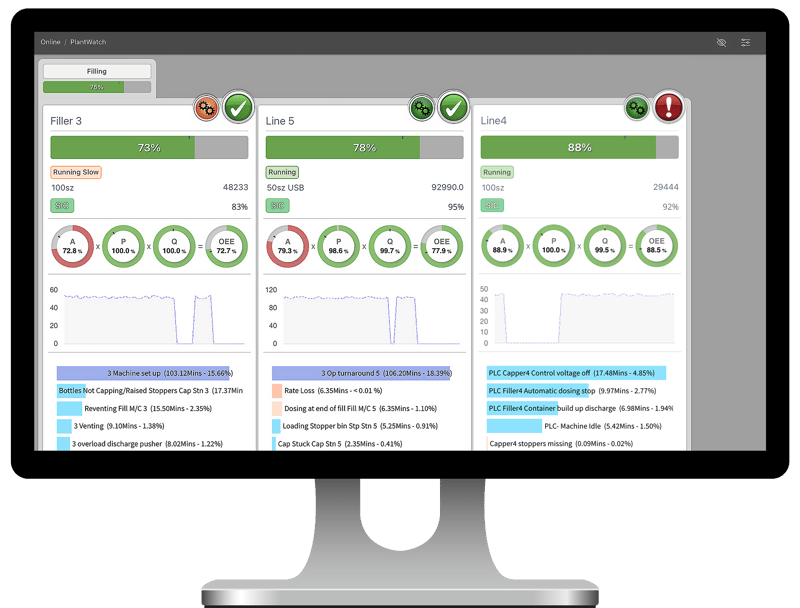
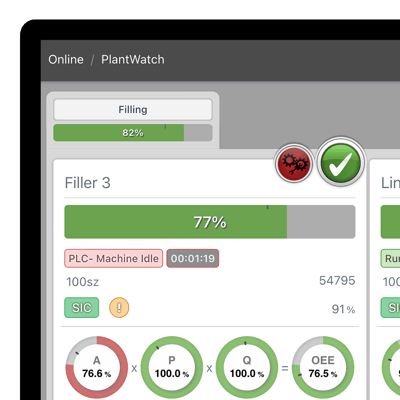
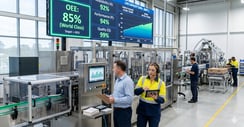
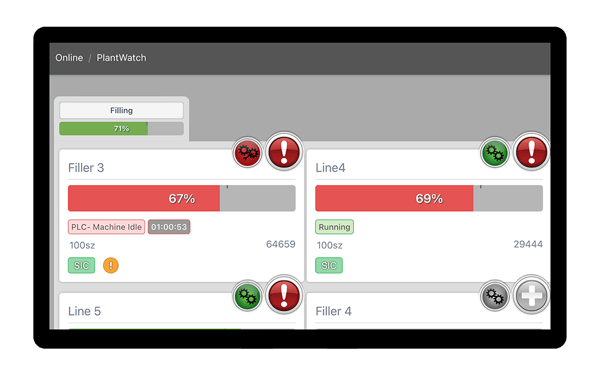
Maintmaster OEE connects directly to your machines and shows performance and availability in real time, while the shift is still running.
You can:
- See speed losses as they happen, not hours later
- Understand why a line is not running, with clear causes
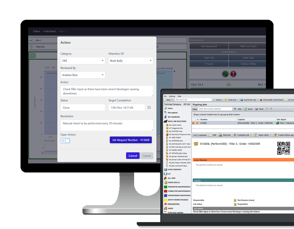
- Break down downtime and waiting time into something you can act on
- Respond immediately, before small issues turn into missed output
Instead of reviewing what went wrong, you deal with it as it happens.
This is the shift from reporting to action.

Real results from real manufacturers
OEE gain by improving changeover efficiency
We now know the moment something goes wrong. The result? Problems don’t linger and past improvements aren’t lost.

reduction in downtime with OEE-driven continuous improvement
This system is so visual, you can see the bar chart change as the day progresses. The CI team uses it daily for running reports, reviewing root cause analysis and looking at trends.

OEE gain sing insights from real-time data
If you’re running blind, you’re always reacting. Data is what turns you from firefighting into leading. Maintmaster OEE is our daily driver. It powers a lot of our decisions.

What changes on the shop floor
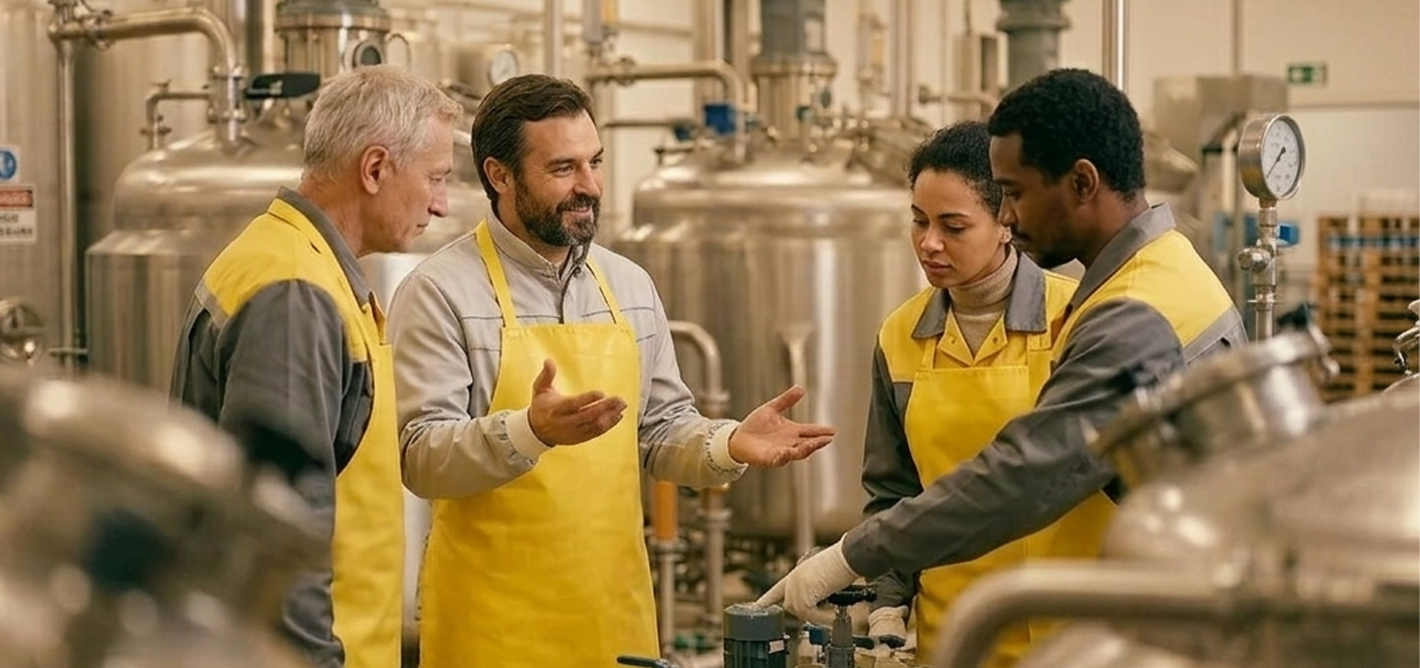
When performance becomes visible, behaviour changes: Teams no longer wait for reports at the end of the shift. They react while production is still running, when there is still time to fix things.
-
Issues are picked up as they happen, not hours later
-
Conversations are based on real data, not assumptions or guesswork
-
Small losses are addressed early, before they turn into missed output
Instead of repeating the same problems every shift, teams start to adjust in real time.
In practice, this is where most of the value comes from. Not from measuring OEE, but from acting on it.
Why teams move forward
What most companies lack is visibility (not data). Once performance and availability are clear, the next step becomes obvious.
-
You can see exactly where output is being lost
-
You can prioritise what to fix first, based on impact
-
You can improve performance using the equipment you already have
There is no need to guess or rely on assumptions. The data points directly to the next action.
That is often the real trigger. Not the metric itself, but the clarity behind it.


Built for real production
Maintmaster OEE shows you what is actually happening on the line, in real time. Every slowdown, delay, and stop becomes visible and actionable. Built by manufacturing experts and shaped by 20+ years of experience, it fits into daily operations and helps your team spot losses early and hit production targets consistently.
See where your performance and losses really are.
(and what they are costing you right now)